
Automotive Lighting System Diagram
Automotive Lighting System Diagram
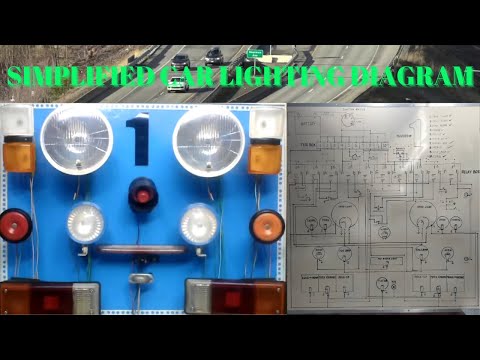
Hello readers, how are you? Welcome to this article about automotive lighting system diagrams. In this piece, we will delve into the intricate world of automotive lighting systems, exploring their components and functions. From headlights to taillights, these systems play a vital role in ensuring safety and visibility on the roads. So, without further ado, let's dive into the fascinating world of automotive lighting system diagrams. Please continue reading to uncover the secrets behind this essential aspect of vehicle design.
Components Of Automotive Lighting System
The automotive lighting system is a crucial component of any vehicle, ensuring safety and visibility on the road. It consists of several key elements that work harmoniously to provide optimal lighting conditions.
Firstly, the headlights are the primary source of illumination. They come in various types, such as halogen, LED, and xenon, each offering different levels of brightness and energy efficiency. The headlights enable drivers to see the road ahead and also make their presence known to other motorists.
Next, we have the taillights, which play a vital role in indicating the vehicle's presence and intentions to other drivers. These lights are located at the rear of the vehicle and are responsible for signaling braking, turning, and reversing maneuvers.
Another critical component is the turn signal or indicator lights. These lights, usually located on the front and rear corners of the vehicle, alert other drivers of the driver's intention to change lanes or make a turn.
Fog lights are designed to improve visibility in adverse weather conditions, such as fog, rain, or snow. These lights emit a low, wide beam that helps drivers see the road more clearly, reducing the risk of accidents.
Additionally, we have the daytime running lights (DRLs), which are always on when the vehicle is in operation. DRLs increase the vehicle's visibility during daylight hours, making it easier for other motorists to spot the vehicle on the road.
Lastly, the interior lights, including dome lights and panel lights, provide illumination inside the vehicle's cabin. These lights help occupants locate objects, read maps, or adjust controls during nighttime driving.
In conclusion, the components of an automotive lighting system work together to ensure safety and visibility on the road. From headlights to taillights, turn signals to fog lights, each element plays a crucial role in enhancing the driver's ability to see and be seen, ultimately reducing the risk of accidents.
Headlights
In conclusion, understanding the automotive lighting system diagram is essential for every car enthusiast and driver alike. It not only enhances safety on the road but also adds a touch of style and sophistication to our vehicles.
By shedding light on the intricate workings of these systems, we can appreciate the marvel of engineering that goes into creating a seamless lighting experience. So, as we bid farewell to yet another enlightening article, let us remember to share this newfound knowledge with our friends and fellow car enthusiasts.
Thank you for joining us on this journey, and until next time, stay illuminated!
Taillights
In conclusion, the automotive lighting system diagram serves as a crucial guide for understanding the intricate workings of a vehicle's lighting system. From the headlights to the brake lights, each component plays a significant role in ensuring safety on the road.
By familiarizing ourselves with this diagram, we can better appreciate the engineering marvel behind our cars' lighting systems. So, as we bid farewell to another interesting article, don't forget to share this newfound knowledge with your friends.
Thank you for joining us on this enlightening journey!
Turn Signals
In conclusion, the automotive lighting system diagram provides us with a deeper understanding of the intricate network of lights that illuminate our vehicles. From headlights to taillights, each component plays a crucial role in ensuring our safety on the road.
By familiarizing ourselves with this diagram, we can appreciate the complexity behind the flick of a switch, as well as the technology that continues to evolve in this field. We hope you found this article informative and insightful.
As we bid farewell to another interesting piece, we encourage you to share it with your friends who may also find it fascinating. Thank you for joining us on this illuminating journey!
Brake Lights
In conclusion, the automotive lighting system diagram provides a comprehensive understanding of the intricate network that illuminates our vehicles. From headlights to taillights, each component plays a crucial role in ensuring safety and visibility on the road.
By grasping the inner workings of this system, we can appreciate the remarkable engineering behind it. So, as we bid farewell to this enlightening article, let us not forget to share this newfound knowledge with our fellow enthusiasts.
Together, let's continue to explore the fascinating world of automotive technology. Thank you for joining us on this journey, and until we meet again, happy driving!